📚 «ՄԱՐԴՈՒ ԻՐԱՎՈՒՆՔՆԵՐԻ ԿՐԹՈՒԹՅՈՒՆ․ քաղաքականություն, մարտահրավերներ և հնարավորություններ»
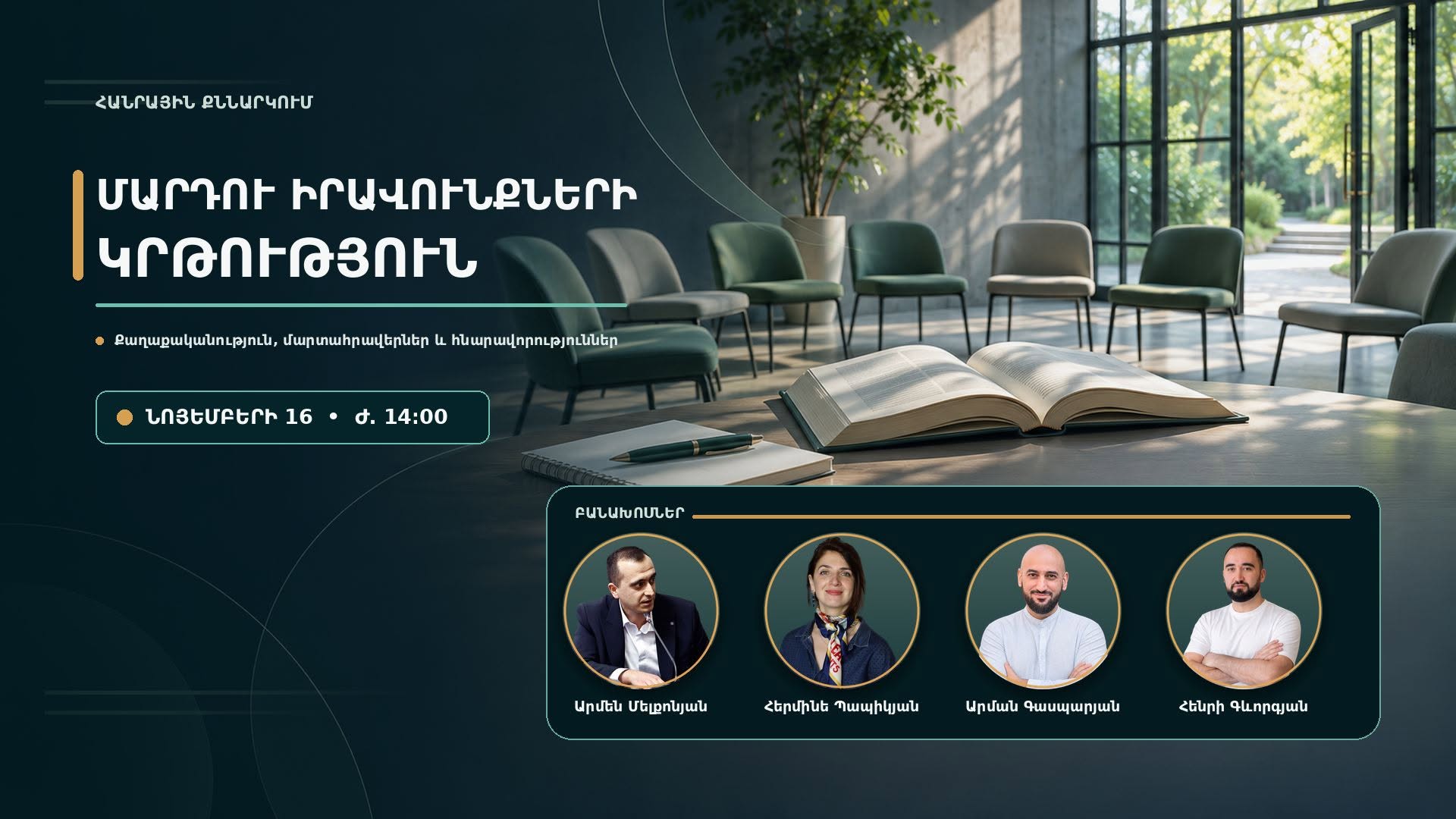
 «ՄԱՐԴՈՒ ԻՐԱՎՈՒՆՔՆԵՐԻ ԿՐԹՈՒԹՅՈՒՆ․ քաղաքականություն, մարտահրավերներ և հնարավորություններ»
Մարդու իրավունքների կրթությունը ժողովրդավարական հասարակության ձևավորման և մարդու արժանապատվության, հավասարության, ազատությունների ու պատասխանատվության նկատմամբ հարգանքի ամրապնդման կարևոր նախապայմաններից է։
Սակայն որքանո՞վ է այն դարձել Հայաստանի կրթական համակարգի և առօրյա կյանքի անբաժանելի մասը։ Արդյո՞ք դպրոցն ու կրթական այլ միջավայրերը ոչ միայն գիտելիք են փոխանցում մարդու իրավունքների մասին, այլև ստեղծում են դրանք ճանաչելու, իրացնելու և պաշտպանելու իրական հնարավորություններ։
___________________
LIVE ՝ YouTube 
___________________
 Քննարկման առանցքում՝
 Մարդու իրավունքների կրթության քաղաքականությունն ու միջազգային փորձը Ֆորմալ և ոչ ֆորմալ կրթության հնարավորությունները Երիտասարդների մասնակցությունն ու իրավունքահեն մտածողության զարգացումը Դեռահասների իրավունքների, ազատությունների և պատասխանատվության ընկալումը Մարդու իրավունքների կրթությունը դպրոցում՝ դասարանային իրականություն և մարտահրավերներ Ժողովրդավարական և իրավունքահեն կրթական միջավայրի ձևավորումը
Քննարկման ընթացքում կանդրադառնանք նաև այն հարցին, թե ինչպես կարող է մարդու իրավունքների կրթությունը դուրս գալ առանձին դասերի և ծրագրերի շրջանակից ու դառնալ դպրոցի, ընտանիքի, համայնքի և հասարակության մշակույթի բաղկացուցիչ մաս։
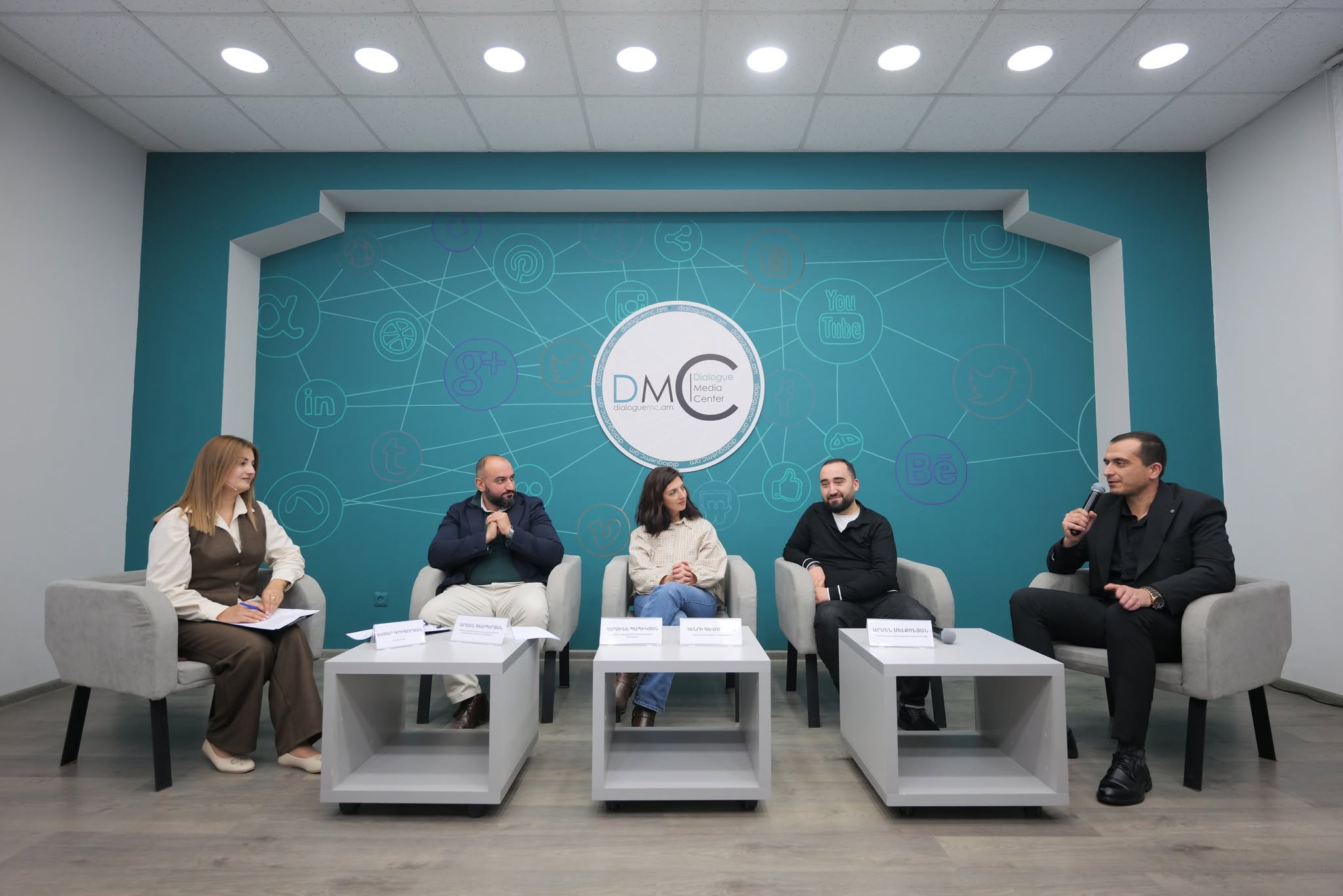
 Բանախոսներ՝
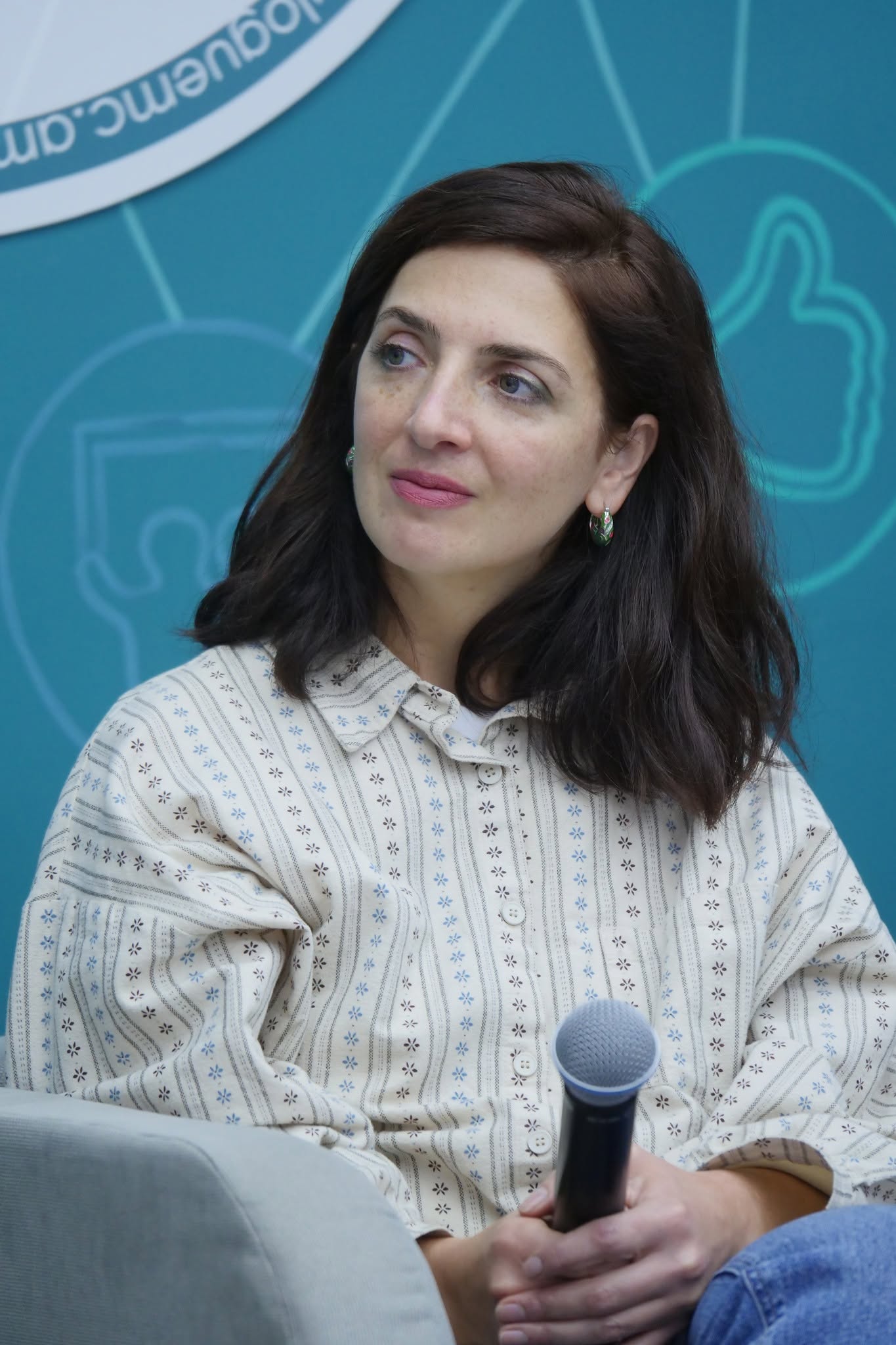
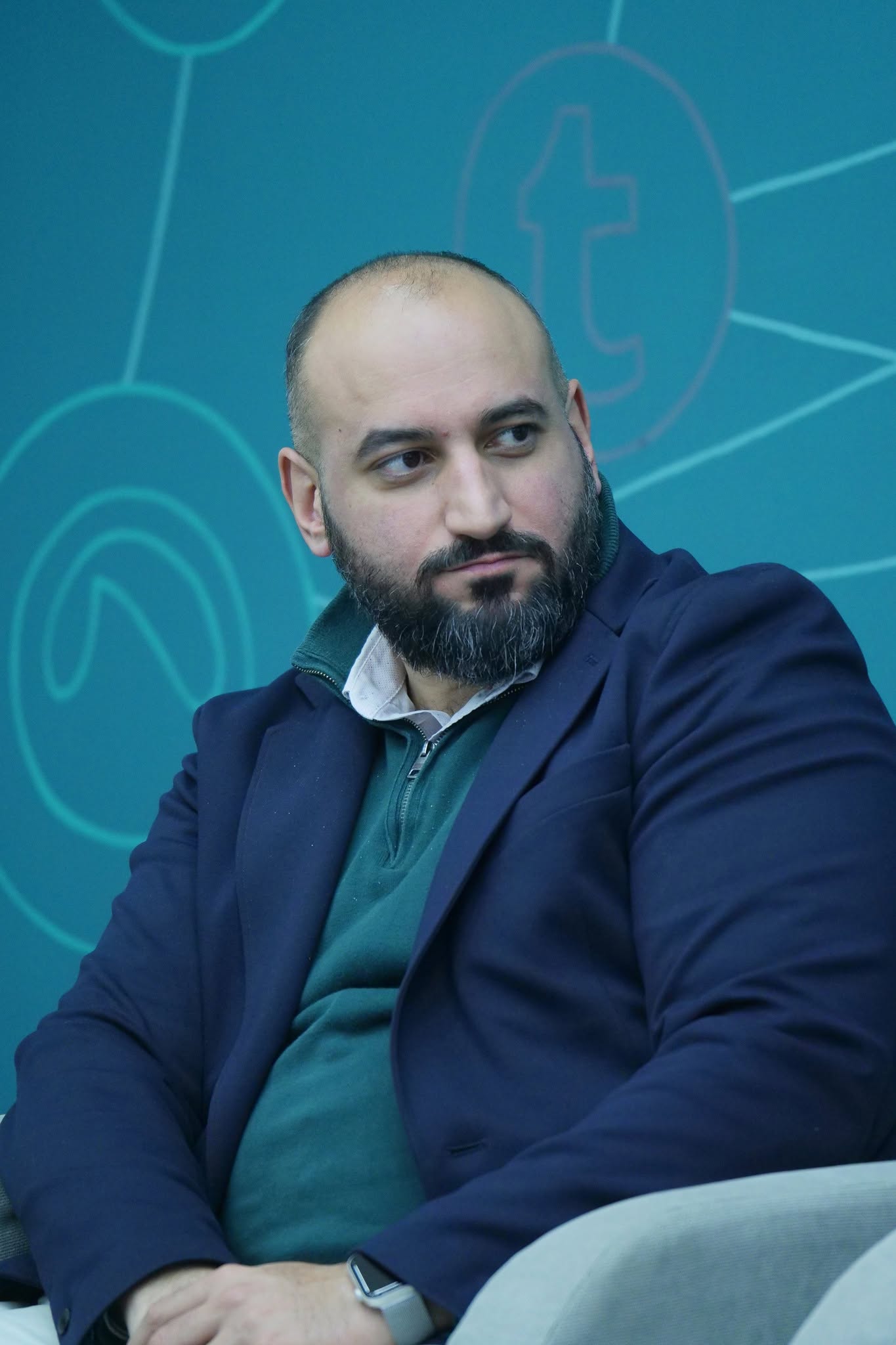
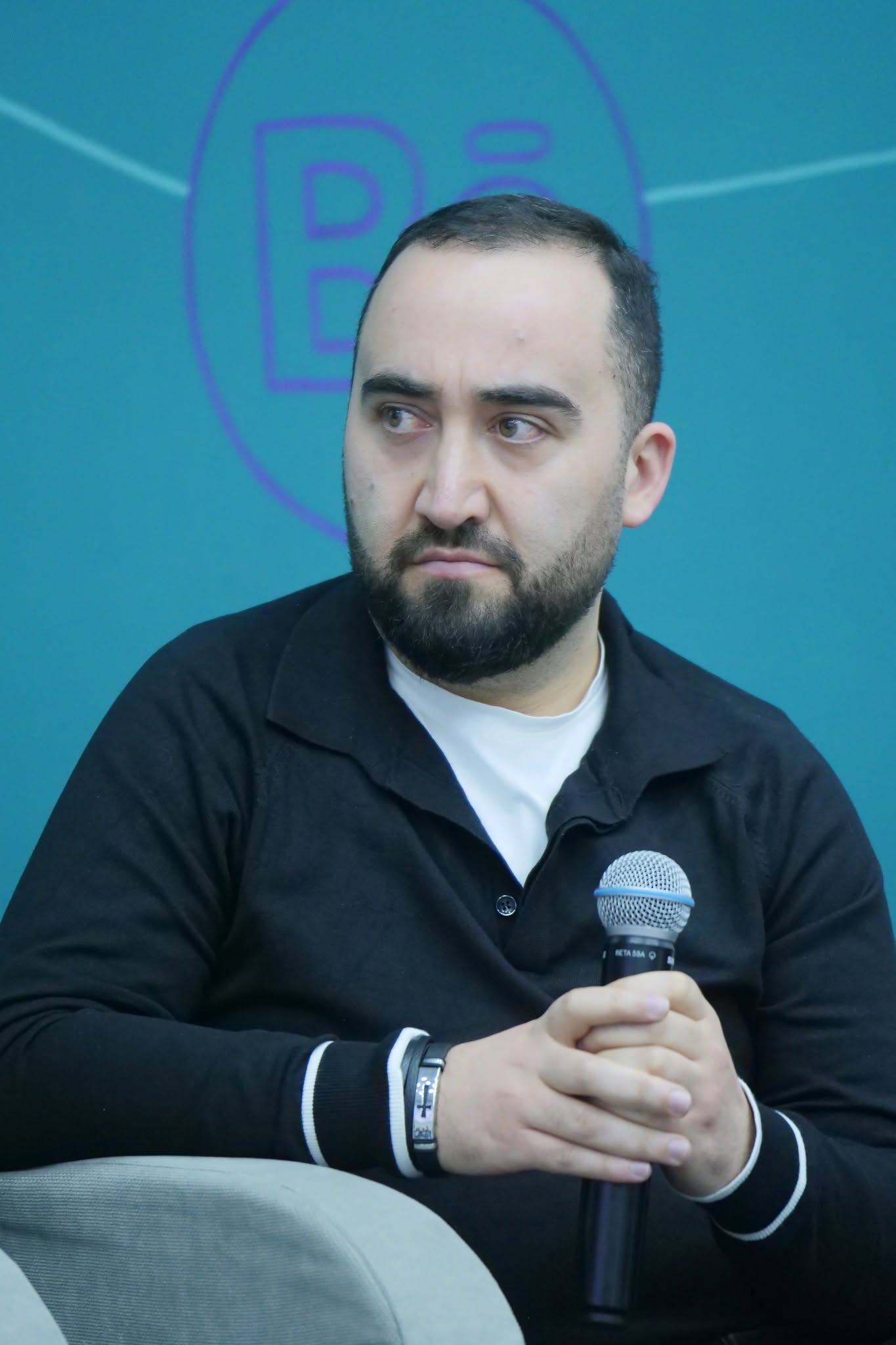
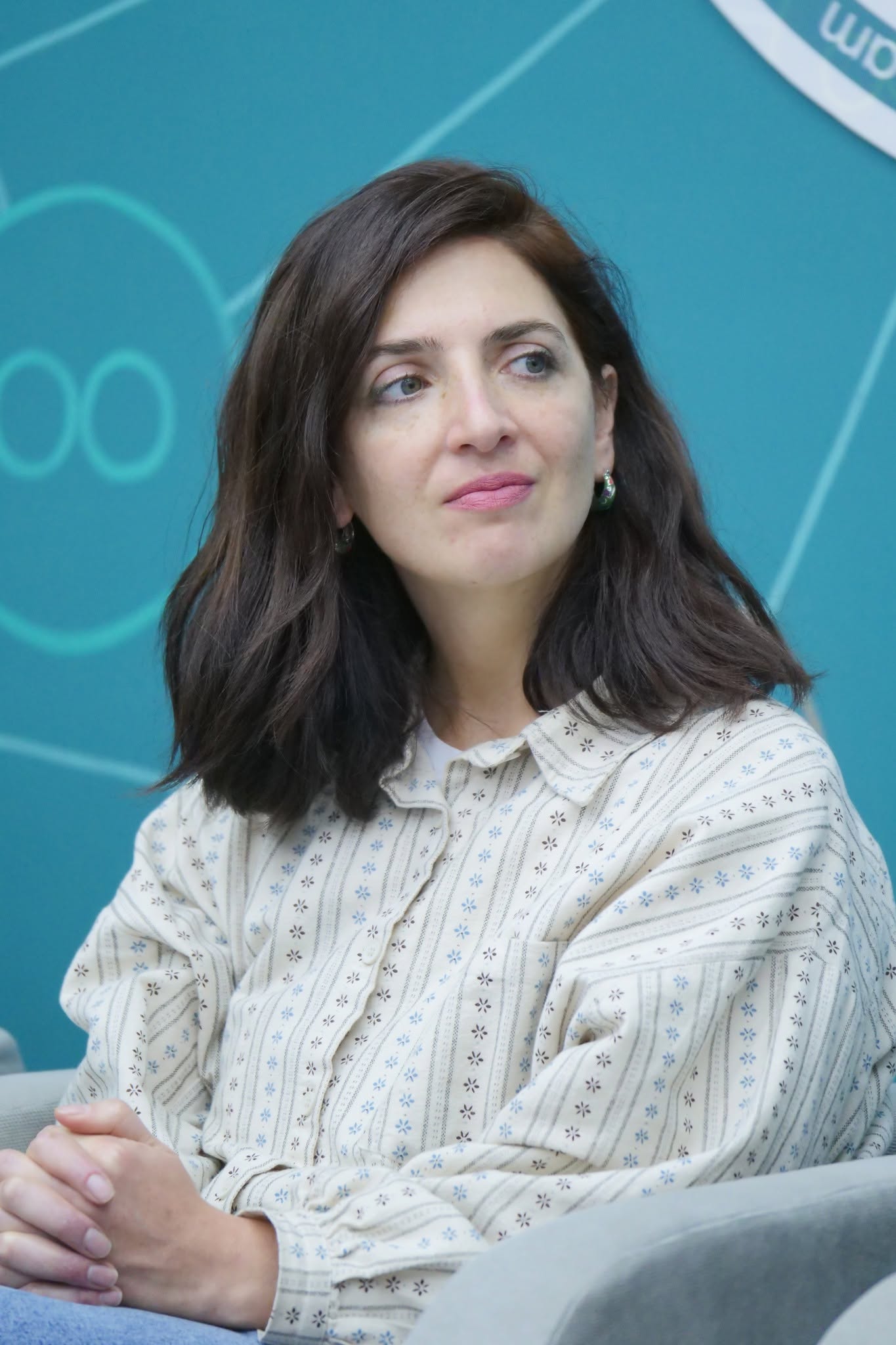
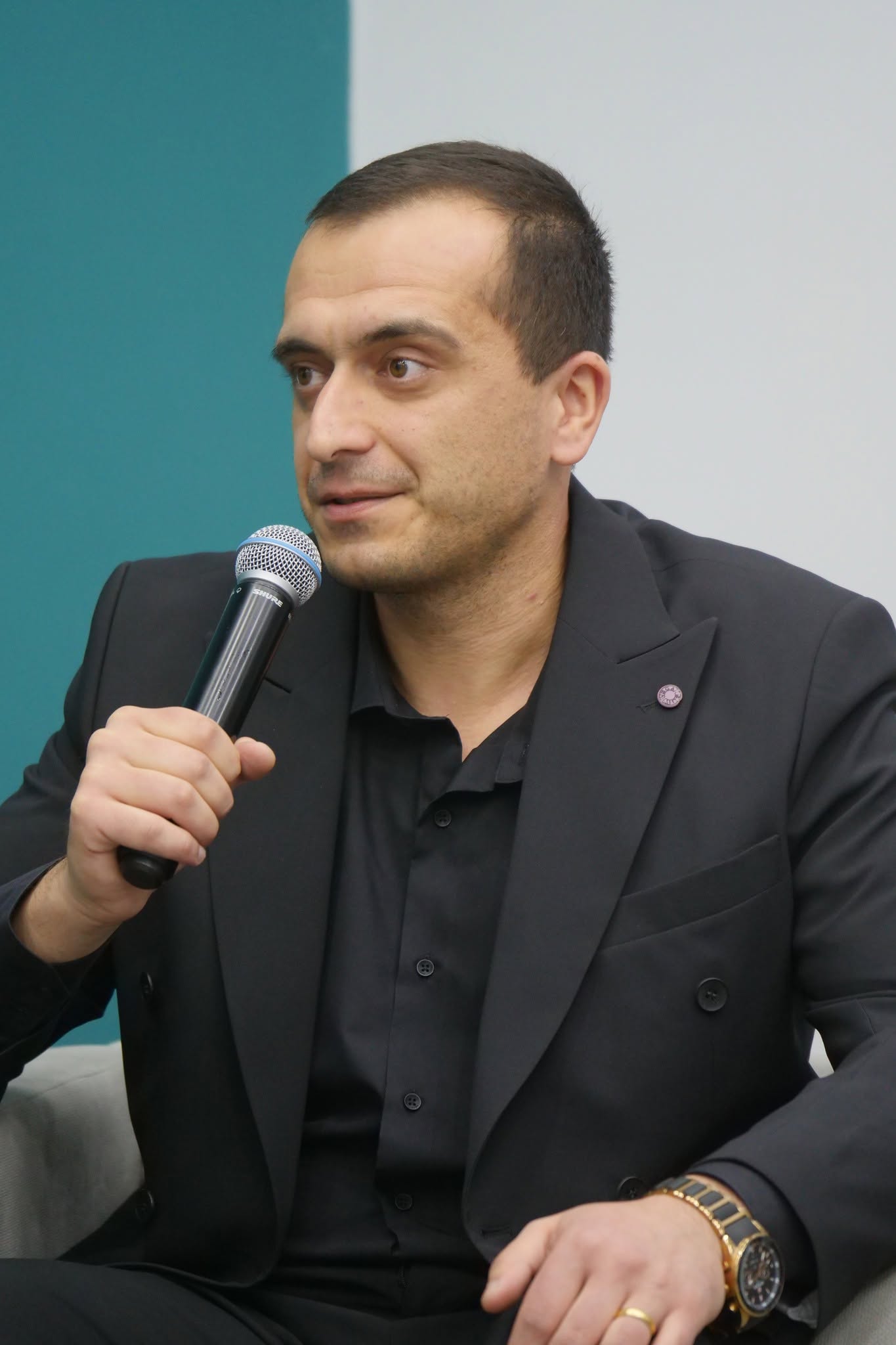
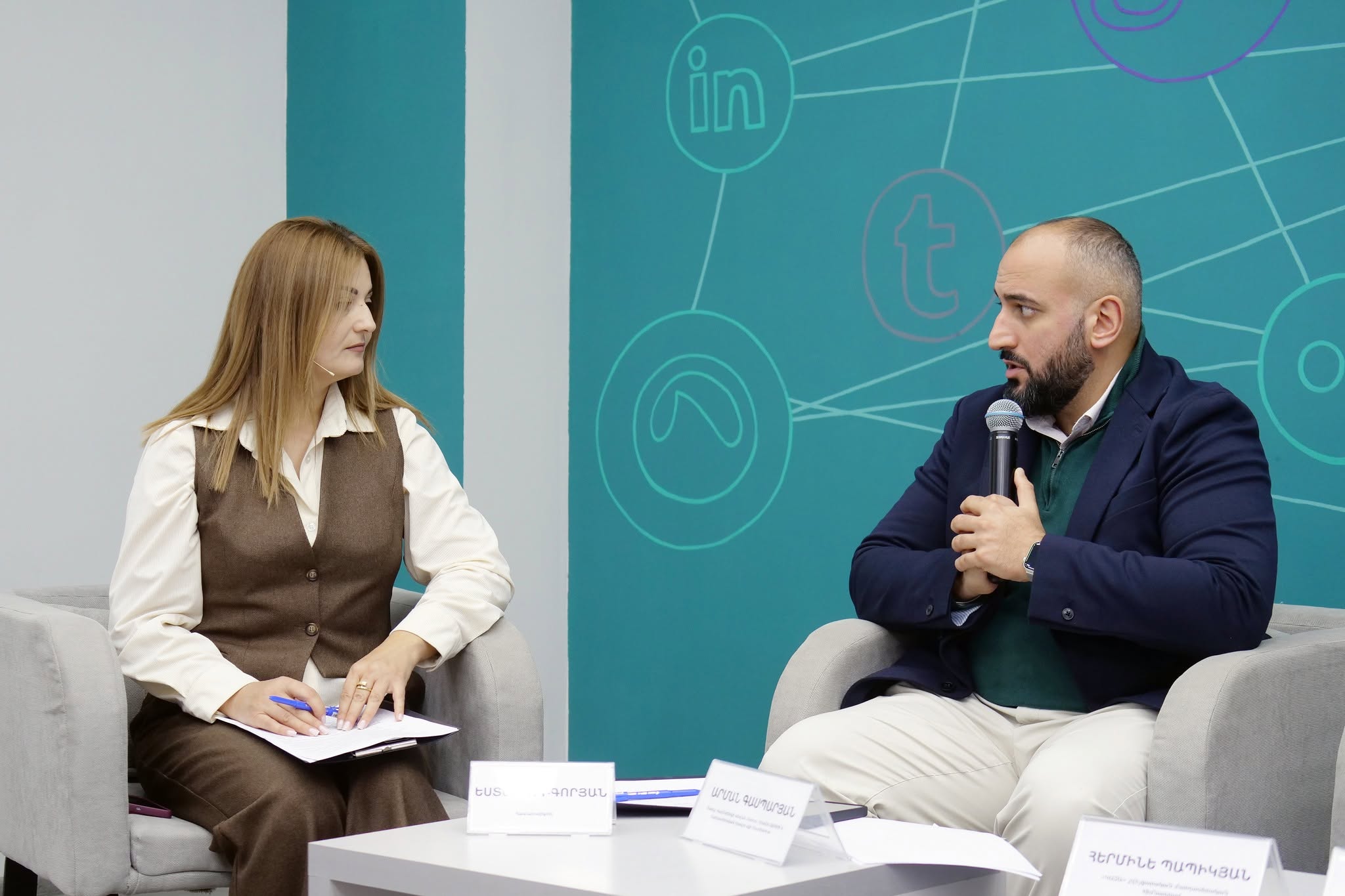
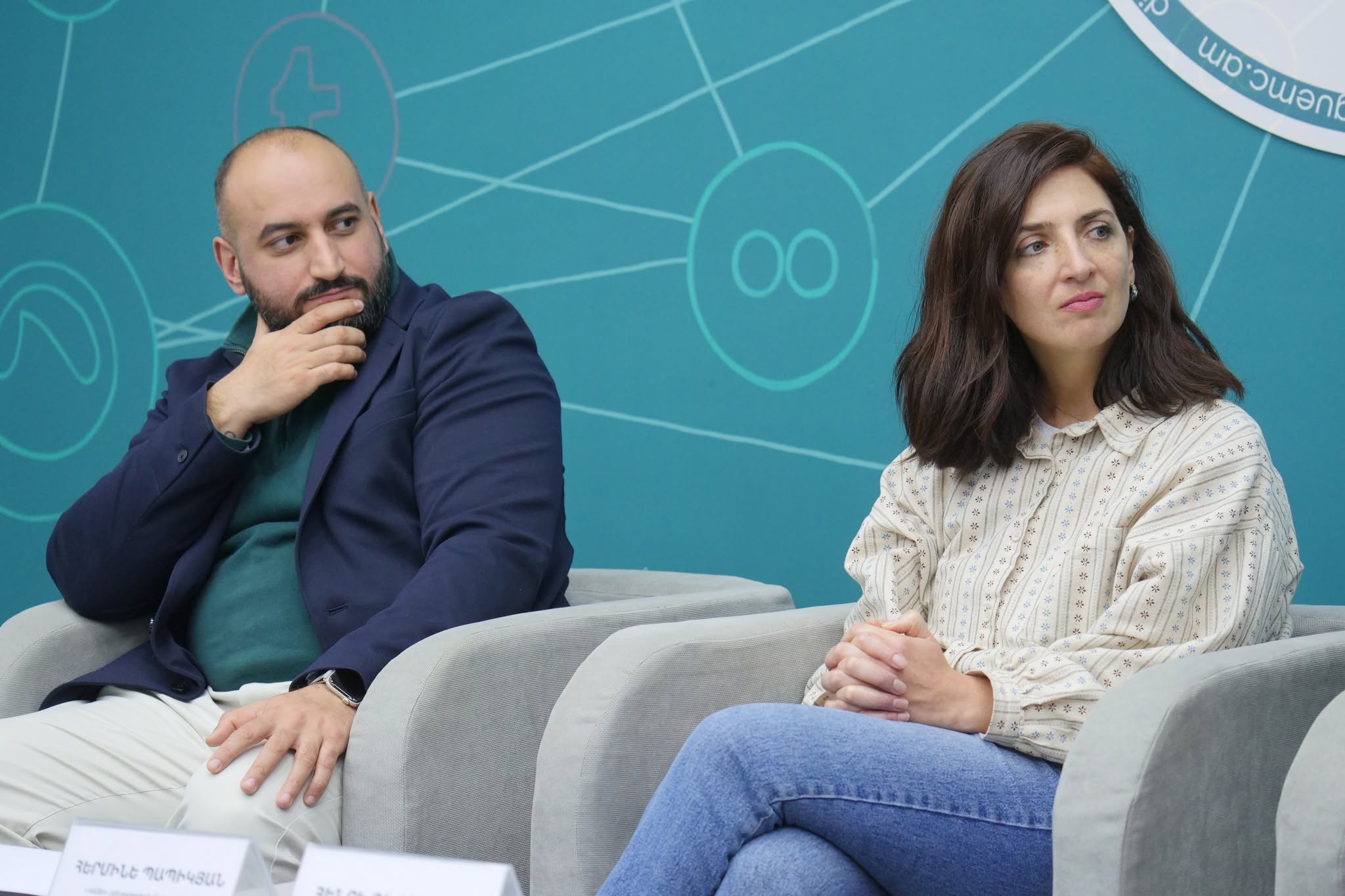
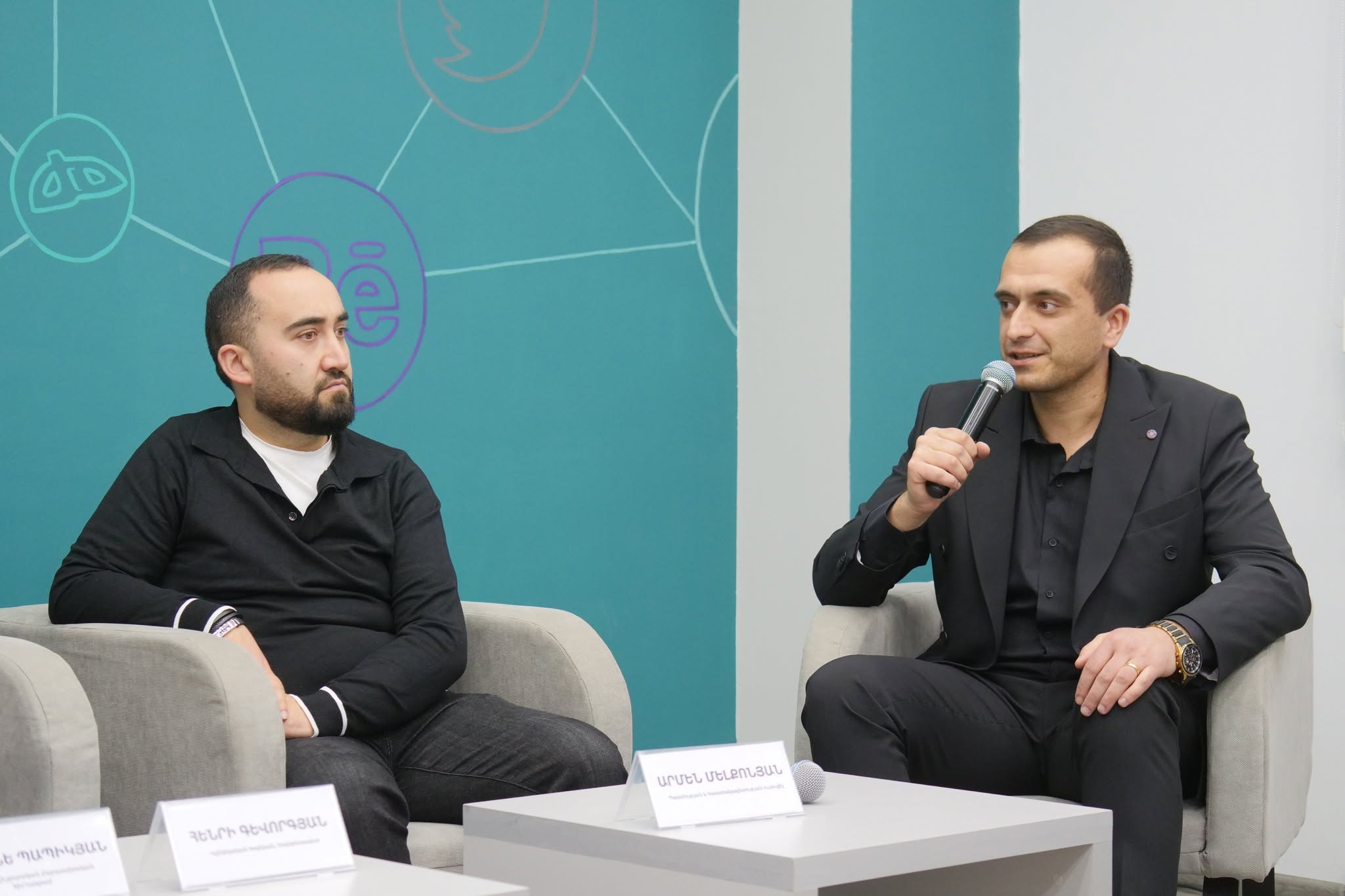
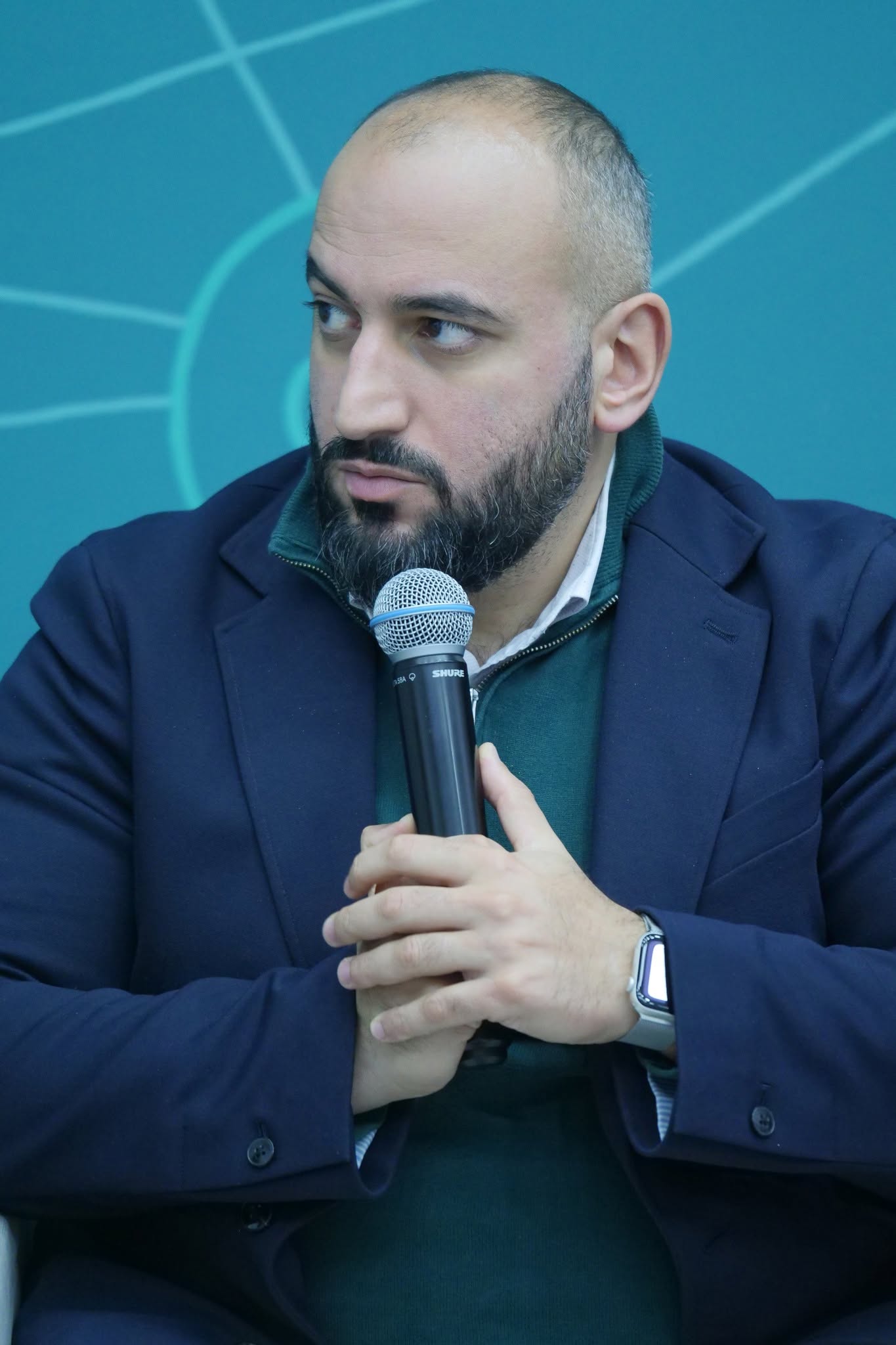
 Արմեն Մելքոնյան — պատմության և հասարակագիտության ուսուցիչ Հերմինե Պապիկյան — «ԿԱԶԱ» շվեյցարական մարդասիրական հիմնադրամի, Եվրոպական համերաշխության կորպուսի (ESC) և «Էրասմուս+» ծրագրերի համակարգող, երիտասարդական աշխատող, դասընթացավար Արման Գասպարյան — Ռաուլ Վալենբերգի մարդու իրավունքների և մարդասիրական իրավունքի ինստիտուտի հայաստանյան գրասենյակի տնօրենի տեղակալ, հասարակագիտության դոկտոր Հենրի Գևորգյան — կլինիկական հոգեբան, հոգեթերապևտ, Երևանի պետական համալսարանի կիրառական հոգեբանության կենտրոնի և Մանկական զարգացման հիմնադրամի ներկայացուցիչ
 Համակարգող՝ Եստեր Գրիգորյան
 Նոյեմբերի 16
 «Երկխոսություն» մեդիա կենտրոն
#ՄարդուԻրավունքներ #ՄարդուԻրավունքներիԿրթություն #Կրթություն #ԵրեխաներիԻրավունքներ #ԵրիտասարդներիՄասնակցություն #ԻրավունքահենԿրթություն #ԺողովրդավարականԿրթություն #ՀանրայինՔննարկում #DialogueMediaCenter #DMC
—————
 ENG “Human Rights Education: Policy, Challenges and Opportunities”
Human rights education is essential for building a democratic society and strengthening respect for human dignity, equality, freedoms and responsibility.
But to what extent has it become an integral part of Armenia’s education system and everyday life? Do schools and other educational environments simply provide knowledge about human rights, or do they also create genuine opportunities for learners to understand, exercise and defend those rights?
Key discussion points: Human rights education policy and international experience Opportunities offered by formal and non-formal education Youth participation and the development of rights-based thinking Adolescents’ understanding of rights, freedoms and responsibilities Human rights education in schools: classroom realities and challenges Building democratic and rights-based learning environmentsThe discussion will also explore how human rights education can extend beyond individual lessons and programs to become an integral part of the culture of schools, families, communities and society.
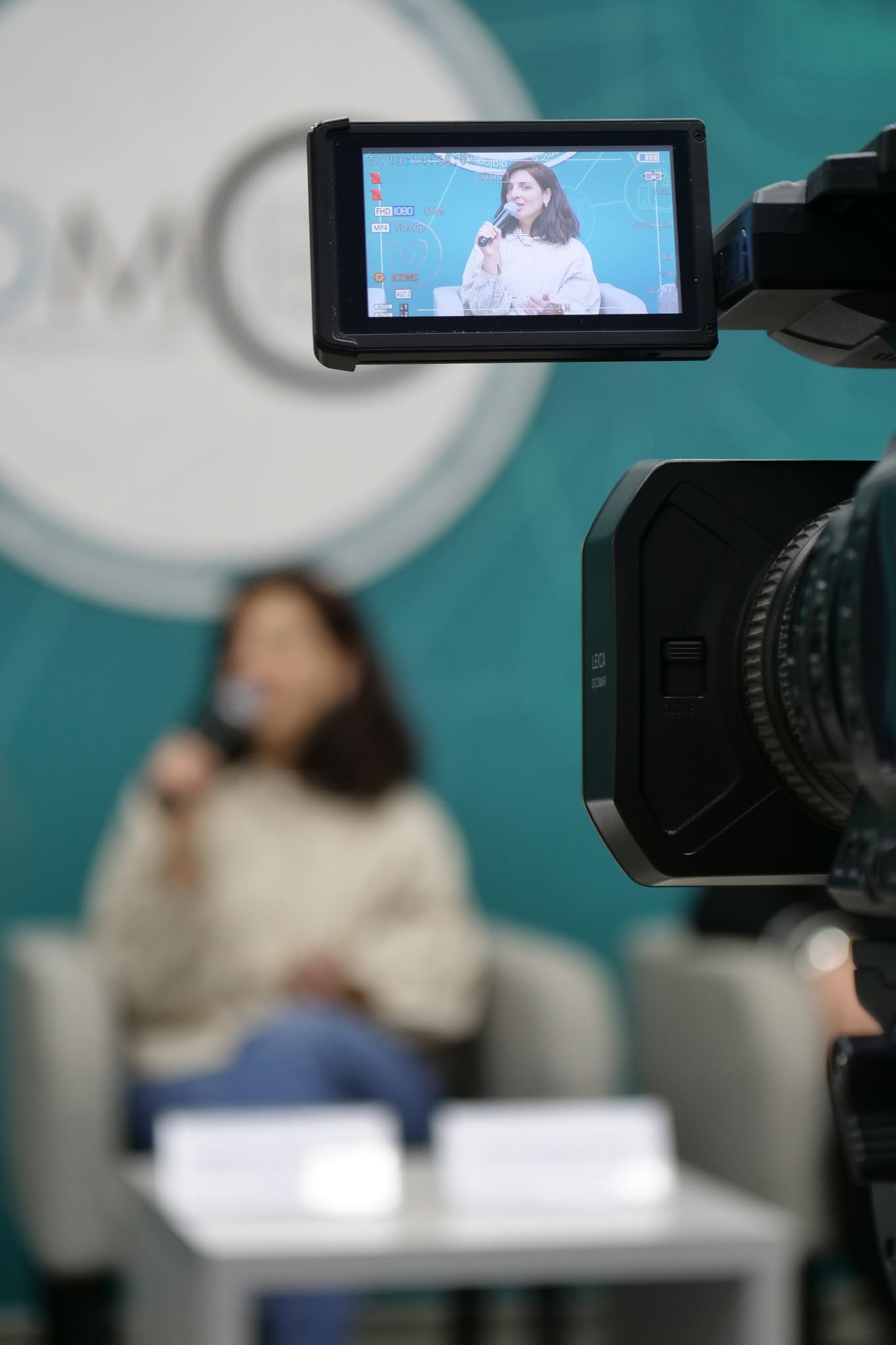
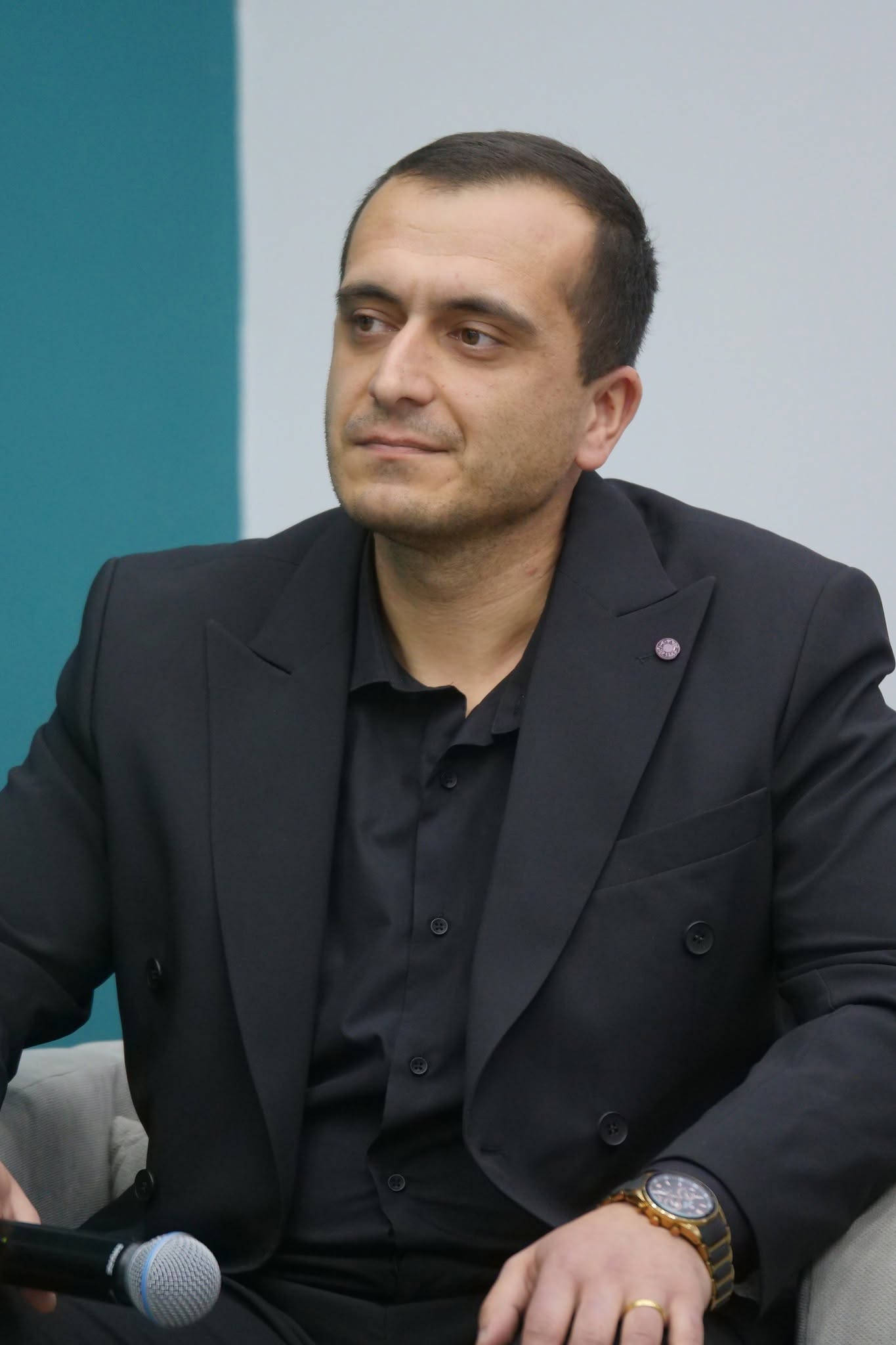
Speakers: Armen Melkonyan — History and Social Studies Teacher Hermine Papikyan — Coordinator of the KASA Swiss Humanitarian Foundation, European Solidarity Corps (ESC) and Erasmus+ programs; youth worker and trainer Arman Gasparyan — Deputy Director of the Armenia Office of the Raoul Wallenberg Institute of Human Rights and Humanitarian Law; Doctor of Social Sciences Henri Gevorgyan — Clinical Psychologist and Psychotherapist; Yerevan State University Center for Applied Psychology; Children’s Development Foundation Moderator: Esther Grigoryan 16 November Dialogue Media Center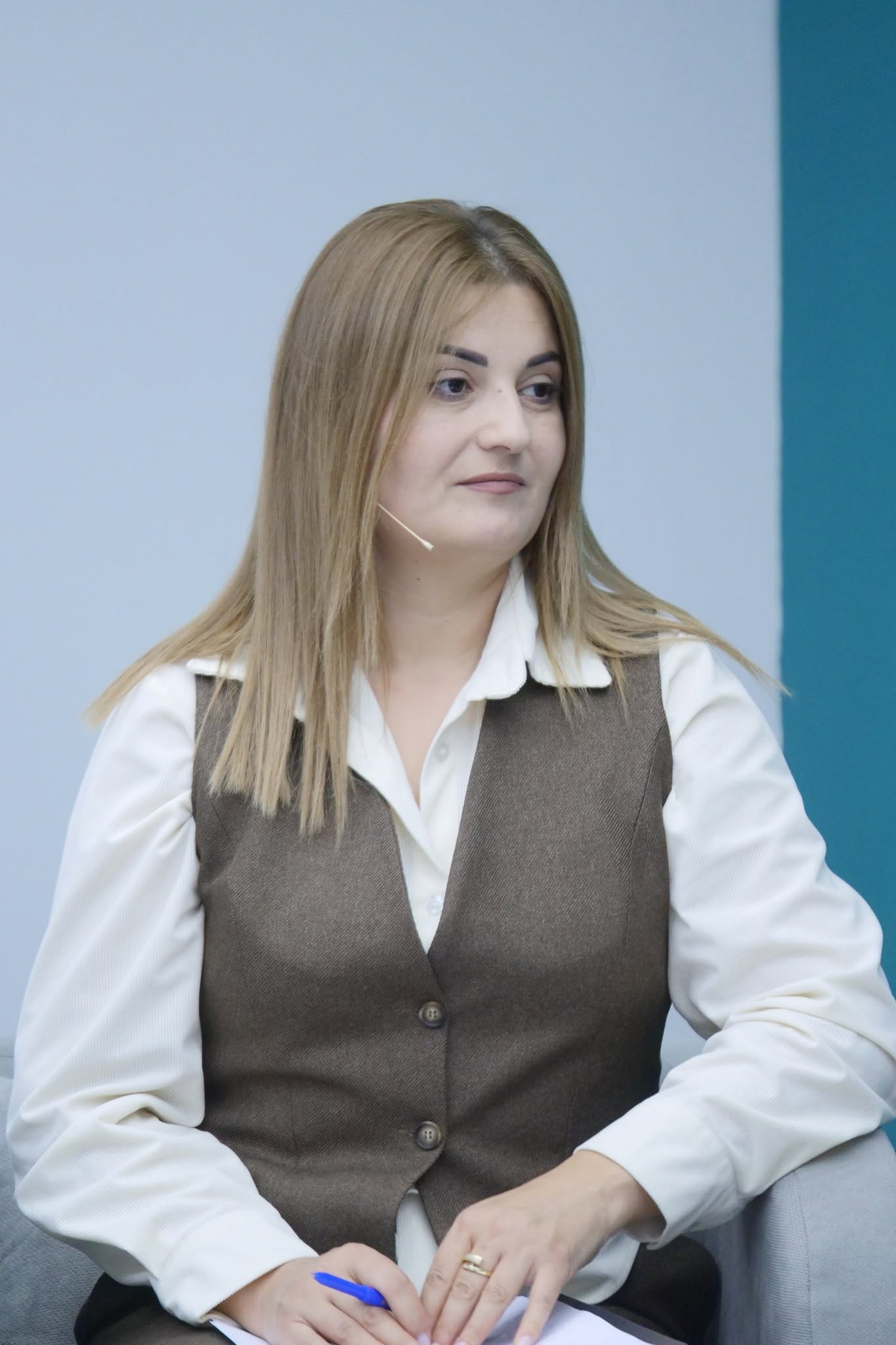

© progressgyumri.am Armenian News / Analyses:
Հեռ. ՝ +37498 691-690; Էլ. Փոստ ՝ progressgyumri@gmail.com